
The future of automobiles is a hotly debated subject. Many individuals think that there will be a significant movement toward electric and autonomous automobiles in the ensuing decades.
The desire to lessen our dependency on fossil fuels and the growing concern about climate change are two major factors influencing this transition. Electric vehicles are far more environmentally beneficial than other options because they emit no pollution. Additionally, electric vehicles are becoming more and more available to the general public as technology advances and their price drops.
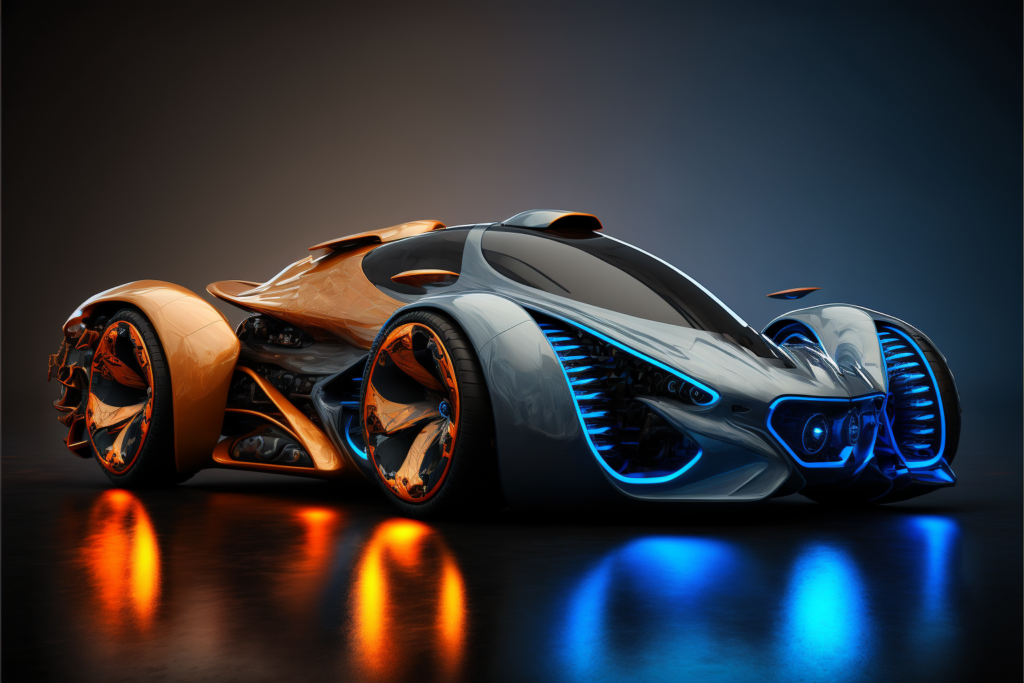
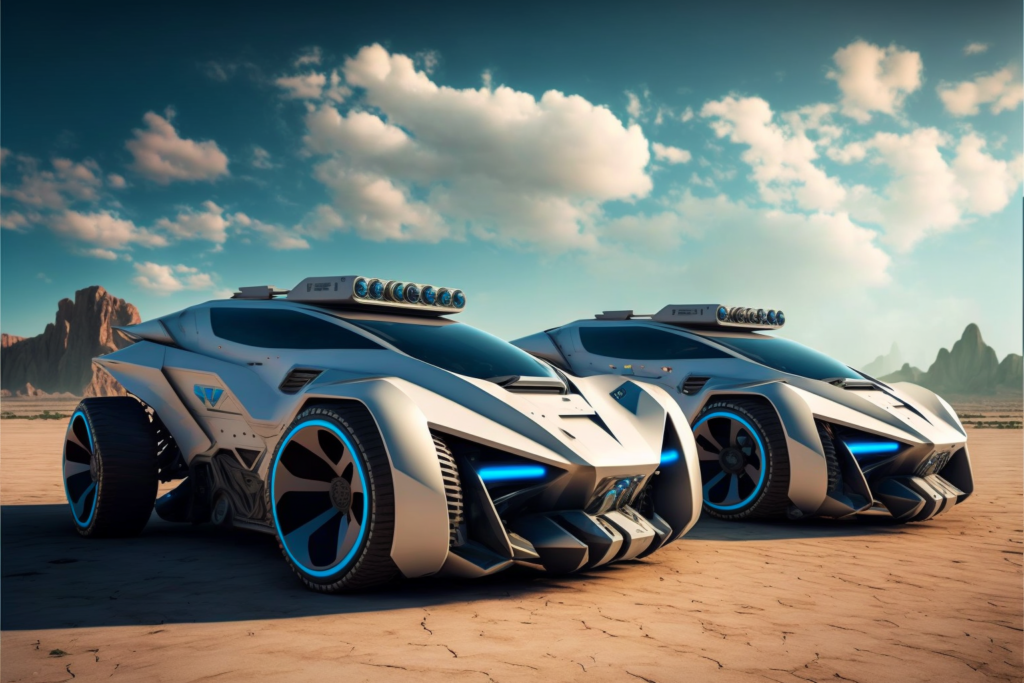
Autonomous vehicles are also expected to play a major role in the future of transportation. These vehicles are equipped with sensors and algorithms that allow them to navigate and operate without the need for a human driver. This could revolutionise the way we think about transportation, making it safer, more efficient, and more convenient.
Numerous more technologies that are under development could influence how cars function in the future. Among them are cutting-edge substances like graphene and carbon fibre, which might be employed to create lighter and more resilient vehicles. As a cleaner and more effective substitute for conventional gasoline engines, hydrogen fuel cells are also gaining popularity as a potential automotive power source.
Nevertheless, the future of automobiles appears promising and full of opportunity. In the upcoming years, we may anticipate significant shifts in the way we think about transportation as a result of the continuous development of electric and autonomous technologies.