At the heart of the rapidly evolving digital landscape, Artificial Intelligence (AI) stands as a beacon of progress and potential. The Faculty Development Program (FDP) conducted at UID, Karnavati University, led by Associate Professor Rajeev Kumar, offered an immersive exploration into the realms of AI, drawing connections from its mythological roots to its present and future impact on our world.
From Myths to Reality: The Evolution of AI
The FDP journey began with a fascinating exploration of AI’s evolution. AI, once a concept confined to the realms of mythology and science fiction, has now become an integral part of our everyday lives. The session delved into historical myths, like the ancient Greeks’ automatons and the Golems of Jewish folklore, showcasing humanity’s age-old fascination with creating life-like intelligence.
This narrative seamlessly transitioned into the scientific aspirations of figures like René Descartes and Charles Babbage, whose visions laid the foundational stones for today’s computational marvels.
Milestones of AI: A Journey Through Time
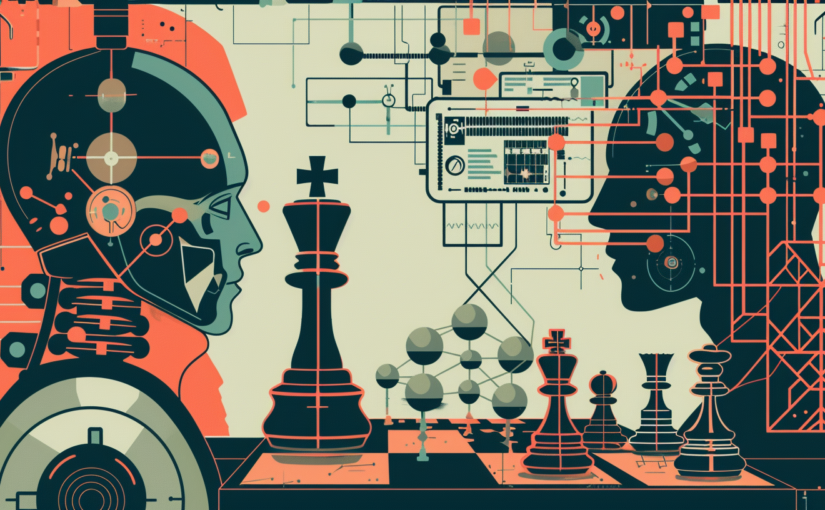
A significant portion of the presentation was dedicated to pivotal milestones in AI, marking the journey from theoretical concepts to tangible reality. Highlights included Alan Turing’s Turing Test, the development of the first AI program, the Logic Theorist, IBM’s Deep Blue’s historic chess victory, and the deep learning revolution of 2012. Each milestone underscored the exponential growth and potential of AI technologies.
Today’s AI: Transforming Industries
The conversation shifted to the current landscape of AI, emphasizing its transformative role across various sectors. From revolutionizing healthcare and automotive industries to redefining customer service through AI-powered chatbots and virtual assistants, the session painted a vivid picture of AI’s ubiquitous influence.
The Mind Maps: Visualizing AI’s Ecosystem
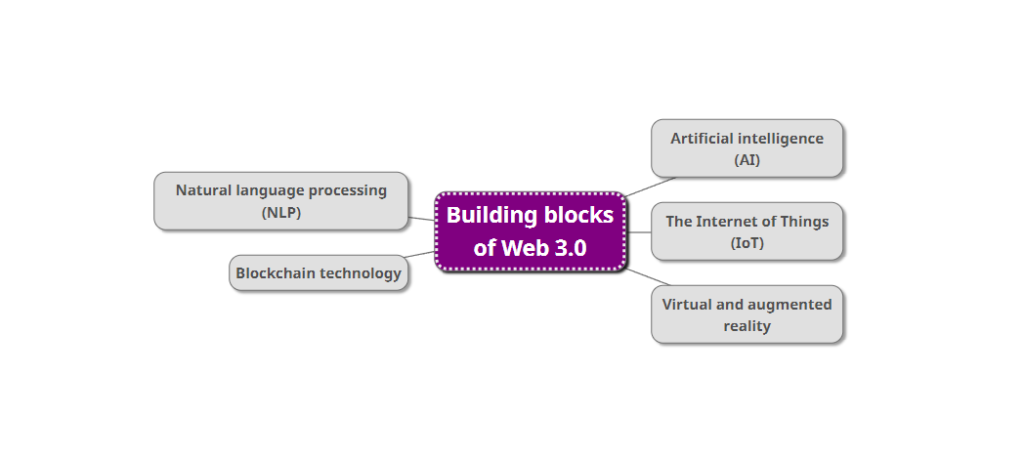
A unique feature of the presentation was the use of mind maps to visualize the complex ecosystem of AI. These mind maps served as a graphical representation of AI’s applications and their interconnected impact on digital ecosystems, including the Metaverse, Web 3.0, Digital Twins, and the Internet of Things (IoT). These visual aids were not only insightful but also fostered a deeper understanding of the subject among the participants.
Philosophical Implications: Navigating the Future with AI
The session concluded with a thought-provoking discussion on the philosophical implications of AI, touching upon questions of creativity, personhood, and ethics. Can AI be truly creative? Do advanced models raise questions about consciousness? How do we address the ethical challenges posed by AI, including biases and societal impacts?
Wrapping Up with a Forward-Look
As we wrapped up the session, the atmosphere was abuzz with curiosity and excitement for the future that AI holds. The FDP not only provided a comprehensive overview of AI’s journey and its current landscape but also sparked critical thinking among design educators about integrating AI knowledge into their teaching and research.
This blog post, accompanied by the detailed mind maps from the presentation, serves as a reminder of our shared exploration into AI at UID. It is a testament to our ongoing journey towards understanding and harnessing the potential of AI to reshape our world.